Colder, Faster, Stronger: The Benefits of Cryotherapy
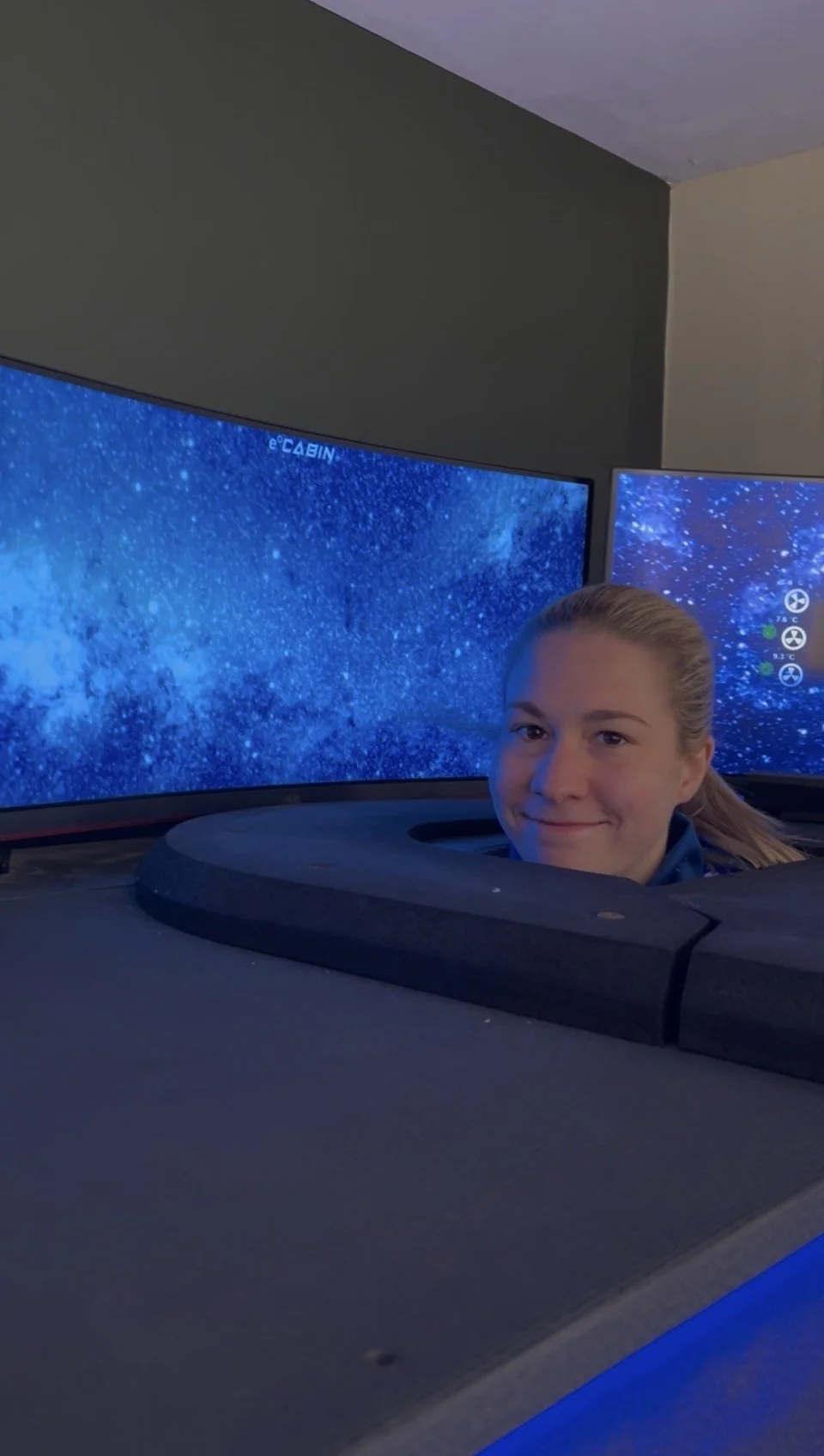
When it comes to recovering after a hard training session, I’ve tried it all. From plunging into ice baths to using my Thera Gun, relaxing in my inflatable compression boots or even taking Cordyceps to speed up recovery, I’ve always been eager to explore the different ways that professional athletes use to help their bodies bounce back after intense blocks of training. And now, I’ve found the best method to ice up your life: cryotherapy.
Stepping into a giant fridge at -129.5ºC wearing just a pair of gloves, slippers, sports bra and shorts, I immediately questioned my decision. Should I have opted for an ice-cold plunge instead? For just three minutes, cold gusts of wind were blasted at me from all directions. The hairs on my arms and legs began to stand on end as the dry air blanketed my body. But despite the freezing temperatures, I felt a rush of adrenaline and relief: I felt so lucky to be the frozen one!
Why is cryotherapy good for recovery then? First and foremost, it catalyses recovery as the cold constricts blood vessels, reducing inflammation. As your body begins to reheat, nutrient-rich blood flows to repair your tissues more effectively. If you’re struggling with any type of chronic pain, the sub-zero temperatures reduce inflammation and numb pain receptors. In particular, if you suffer from conditions like arthritis, cryotherapy can help alleviate the pain. For many athletes, cryotherapy enables your body to train at a higher intensity more frequently and in turn, reduces muscle stiffness and soreness. But just as important as the physical benefits, the psychological benefits of cryotherapy are cool too. The immediate exposure triggers the rush of endorphins, lifting your mood and enabling you to achieve mental clarity.
So it’s definitely worth a blast (of cold air). But to be quite truthful, it is definitely less intense than plunging in a bath of sub-zero water. Whilst it’s definitely worth trying this alternative therapy, the cost might chill your bones. At £20 for 3 minutes, it’s certainly not the most cost-effective way to recover.